
China's Marketing, by our Pointure Marine: An exploratory journey from Shenzhen to Shanghai, via Hangzhou and Yiwu
China's Marketing, by our Pointure Marine: An exploratory journey from Shenzhen to Shanghai, via Hangzhou and Yiwu, into the Chinese economy is a staggering experience.
By l'équipe des Pointures
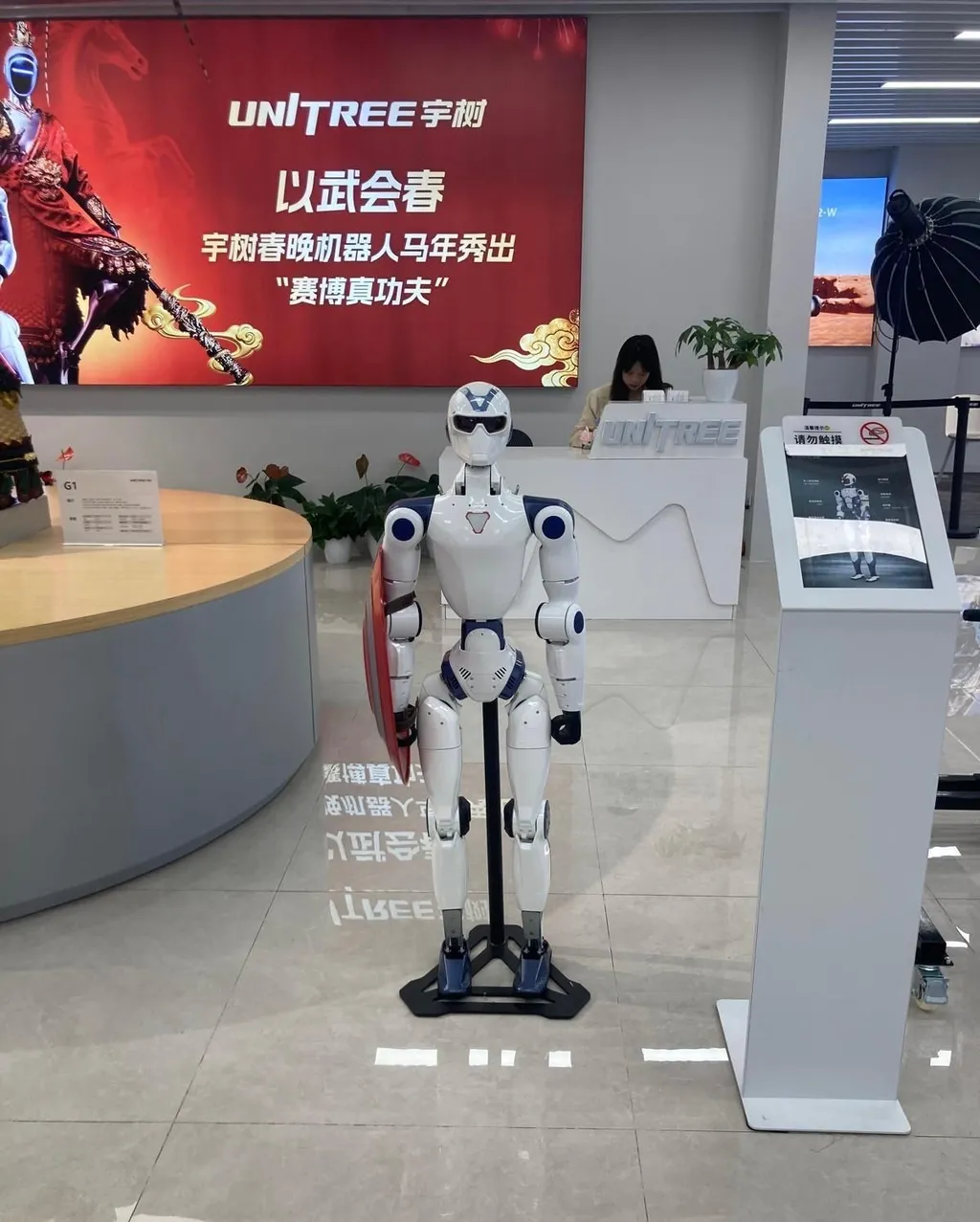
Huawei, BYD, Unitree, BrainCo, Alibaba… All these figureheads of Chinese success open their doors according to a perfectly oiled choreography: gleaming showrooms, cutting-edge interactive screens, state-of-the-art car and battery prototypes, humanoid robots interacting with visitors.
Visiting a Chinese company is, at first glance, like visiting an American tech giant. The first break comes in the dialogue. Because here, there is no dialogue. Any precise question about a figure, a market, or an application meets the same response: "I don’t have that information." The scenario repeats itself with executives from a major development bank or renowned academics.
Is China in a trade war with the United States? No. What are the limits to its growth? None. Does it harbor expansionist ambitions? No, China only has friends. The most interesting information, in reality, lies in its absence.
Second lesson: internal competition is at the heart of the Chinese model. Provinces engage in fierce competition to bring forth the technological champions of tomorrow. Subsidized by the Party within a myriad of incubators, the most promising ones then receive support from the central government. The others are doomed to disappear.
In these incubators, beneath the portrait of Xi Jinping, one of his precepts is displayed: "Science and technology are the primary productive forces, talent the first resource, and innovation the first driver of development." A doctrine that translates into massive investments in technology and AI, extreme pressure for academic success, and long-term planning around innovation.
While Europe looks back at its hour of glory, built on colonial conquests and the Industrial Revolution, as belonging to the past, China contemplates forty years of prodigious economic growth, following the century of humiliations: the Opium Wars, the sack of the Summer Palace, Japanese invasions. Just 40 years ago, a large part of the population lived below the poverty line. Today, this proportion is reportedly around 1%.
The generation in charge draws immense pride and almost unshakable confidence in the future from this. China is doing well, and tomorrow it will do even better. That is the leitmotif.
But behind the technological showcase, another reality emerges, as recent burning news has proven: that of a power that never separates its economic ambitions from its political project. For business leaders, understanding China therefore means paying as much attention to what it conceals as to what it displays.